
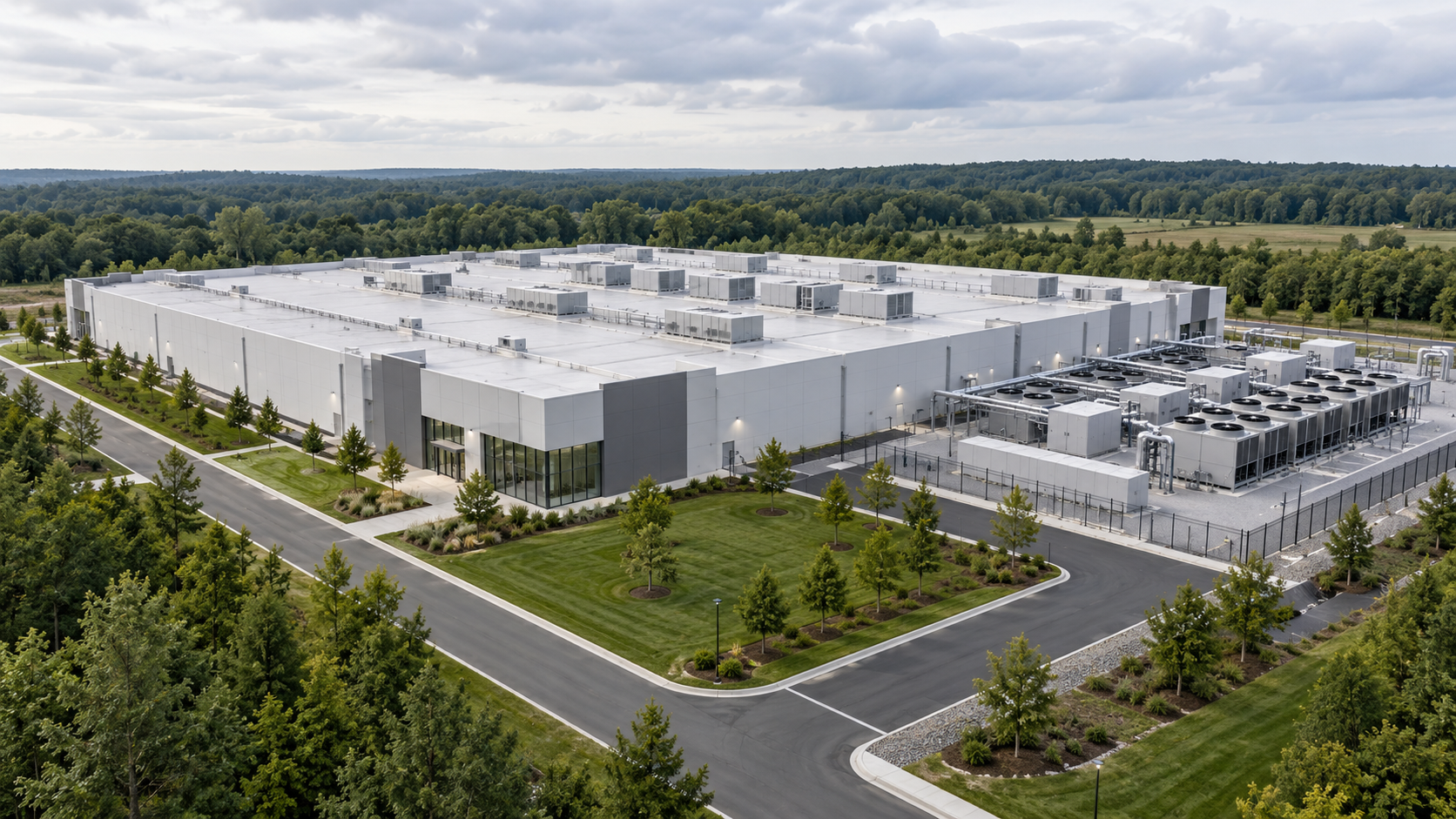
Evaluate data center land as a system of connected constraints. The parcel must support a practical building layout, deliverable utilities, equipment yards, network connections, access, and ongoing operation. Acreage and an attractive asking price are only the beginning of that review.
Establish a consistent development scenario before comparing properties. Define the first phase, the intended expansion, the approximate equipment arrangement, and the operating assumptions that drive the site. Without that common basis, one parcel may look better simply because it has been tested against a less demanding project.
Request evidence for each major claim. Utility capacity needs a documented service discussion. Access needs both physical suitability and appropriate rights. Site area needs a current survey and constraints overlay. Existing infrastructure needs a condition and ownership review. Keep unverified statements visible rather than blending them into confirmed facts.
Prepare an initial layout that includes more than buildings. Show electrical and cooling plant, service routes, drainage, setbacks, security circulation, and construction staging. Use the layout to identify questions for civil, electrical, environmental, and network specialists. Early sketches should expose uncertainty, not hide it under precise-looking dimensions.
Compare sites using a risk register and an enabling-work budget. A lower land price can be offset by a difficult connection, extensive earthwork, or a constrained delivery route. Record the next investigation needed to resolve each issue.
The selection decision should explain why the site can support the proposed operating facility and what remains to be proven before major commitments. A disciplined evidence trail is more valuable than a persuasive property brochure.